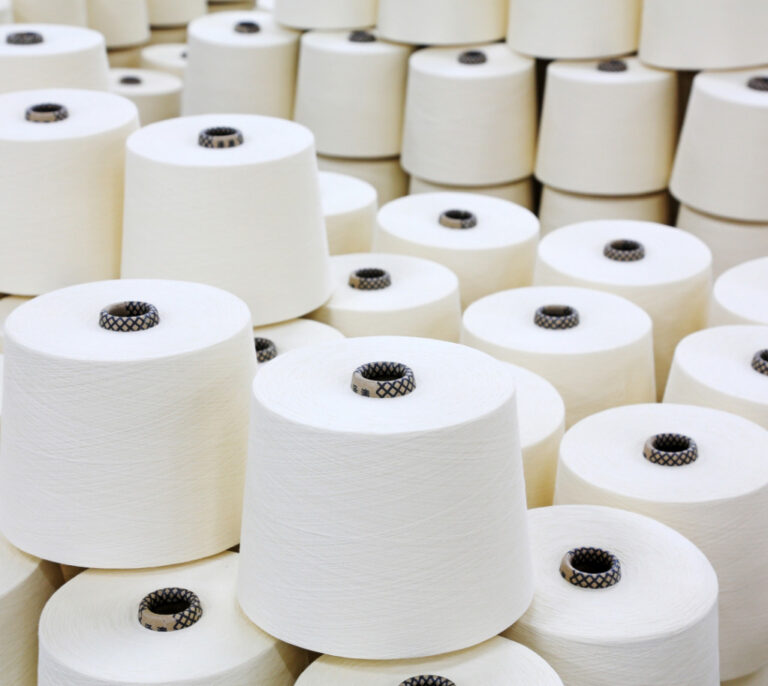
These yarns are produced from naturally occurring fibers such as cotton, wool, linen, and silk. Their soft texture, breathability, and skin-friendly properties make them a popular choice for textiles that prioritize comfort and naturalness.

These yarns are produced from naturally occurring fibers such as cotton, wool, linen, and silk. Their soft texture, breathability, and skin-friendly properties make them a popular choice for textiles that prioritize comfort and naturalness.
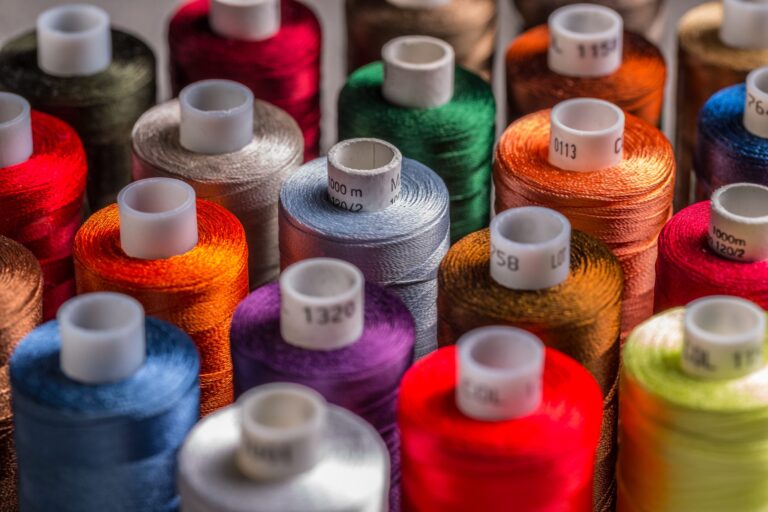
These threads are produced from fibers such as polyester, nylon, and acrylic. Their high strength, elasticity, abrasion, and chemical resistance make them widely used in technical and everyday applications.
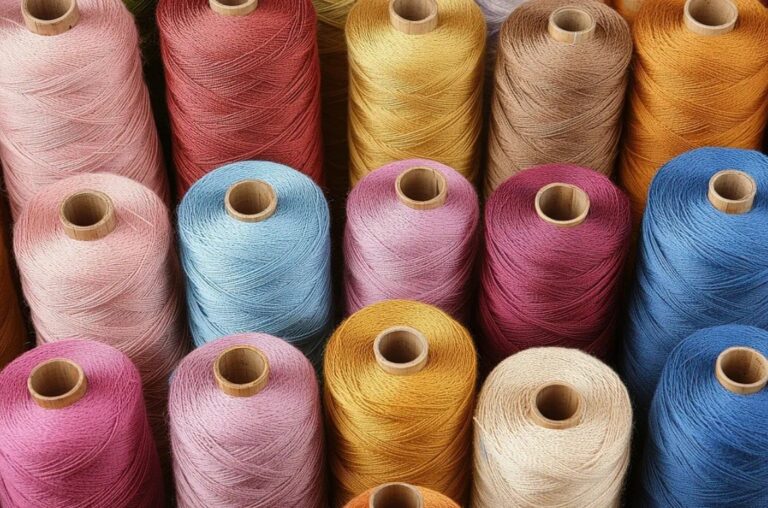
These yarns, such as viscose, modal, and lyocell, are obtained by chemically transforming natural raw materials like cellulose into fibers. They offer the comfort of natural fibers while also providing advantages such as a smoother surface, shine, and flowing structure.
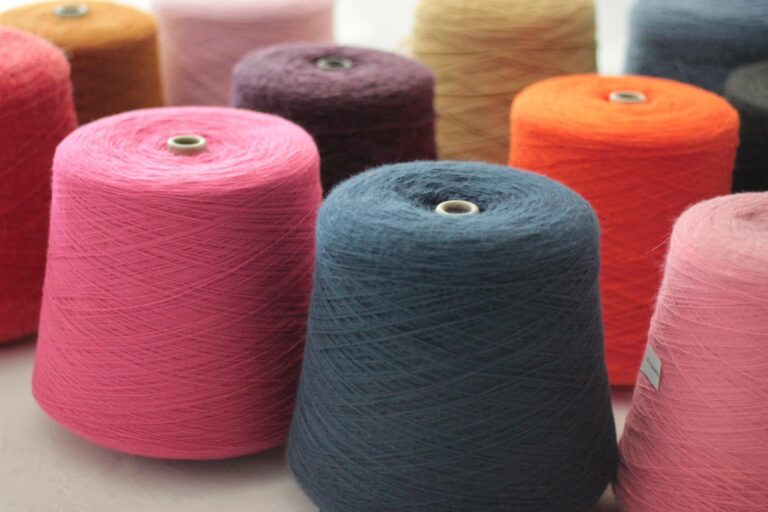
These yarns are made by combining two or more different fibers in specific proportions. For example, cotton-polyester or wool-acrylic blends enhance performance by offering both natural comfort and synthetic durability.
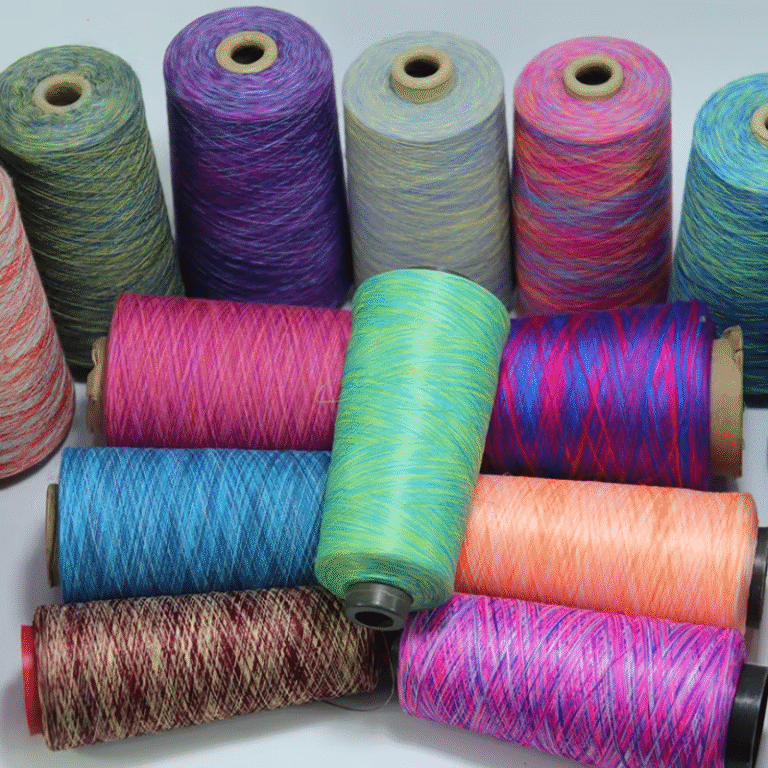
These yarns produced with special structures to provide visual richness and surface effects. They can be designed in various forms such as core-spun, dyed, slub, boucle, melange, metallic, and knotted, adding aesthetic value in fashion, knitwear, and decorative textile applications.
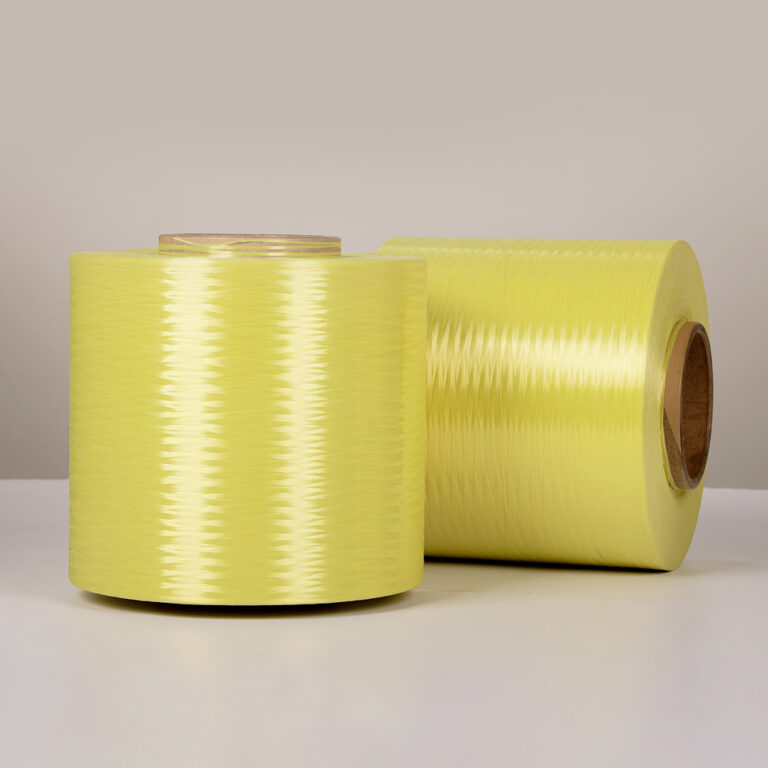
These yarns are specifically developed for applications requiring high performance. These threads, equipped with functions such as antibacterial, flame retardant, UV-resistant, waterproof, and elastic properties, are preferred in sectors such as occupational safety, sportswear, medical, and technical textiles.
 English
  Turkish


